
Key Takeaways
- Know where your main water shutoff is before you have an emergency.
- Watch for small warning signs like slow drains, low pressure, water stains, and surprise bill increases.
- If you are buying an older Central Virginia home, a plumbing inspection can help you spot hidden risks before they become expensive repairs.
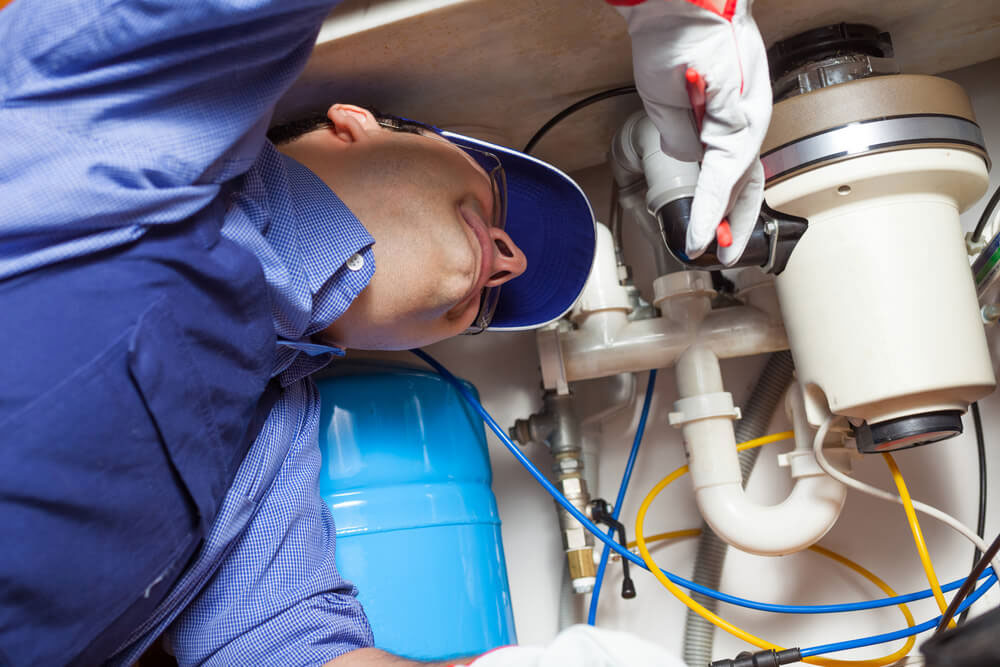
Buying a house has many “now that I have a house, I wish I knew how this worked” moments. One of those areas is plumbing. Don’t worry about becoming a master plumber; just be aware of what to check on an ongoing basis (what to watch out for), what to inspect periodically (when to call in someone), and when a problem is serious enough to involve someone. These easy practices will help you maintain your home, avoid potential water issues/damage, and feel better if you notice something going awry.
Where Is Your Main Water Shutoff?
This is the first thing every new homeowner should find. If a pipe bursts, a toilet overflows, or a supply line fails, you do not want to be searching the basement with water spreading across the floor.
Your primary shut-off is typically located in your basement, crawlspace, utility closet, garage, or close to the point of entry for the incoming water supply. When you have found your primary shut-off, test it carefully, familiarize all occupants with its location, and ensure there are no obstructions around it. If your primary shut-off valve has become jammed due to corrosion or rust, or has become difficult to operate before a leak/emergency, this will greatly reduce the potential size of any water damage if a secondary shut-off exists.
What Should You Check Right After Moving In?
The first week in a new home is a good time to do a slow plumbing walkthrough. You are not trying to fix everything yourself. You are just learning what normal looks like in your house.
Begin by looking at all your daily fixtures. First, run each sink, shower, bathtub, and toilet. Next, pull out everything from under your kitchen cabinets to check for old stain marks, an active drip, soft flooring, or a warped bottom on the cabinets. After that, check your water heater for signs of corrosion, moisture, or previous leaks. Finally, take a walk through the yard and find (and mark) all areas where you have noticed wet spots that don’t match normal weather conditions.
What Plumbing Issues Matter Most In Older Homes?
Older homes in Charlottesville and Central Virginia can have a lot of charm, but they can also have plumbing that has been repaired in layers over time. You might find older supply lines, dated shutoff valves, cast iron drains, galvanized piping, or water heaters that are near the end of their useful life.
One issue to keep in mind is lead risk in older plumbing materials. According to the EPA’s basic information about lead in drinking water, lead can enter drinking water when plumbing materials that contain lead corrode, especially in older pipes, faucets, and fixtures. That does not mean every older home has a problem, but it does mean buyers should ask questions, review inspection notes carefully, and consider water testing when the home’s age or materials raise concerns.
What Should You Inspect Before Buying A Home?
A standard home inspection is useful, but plumbing deserves close attention. You want to know more than whether the faucets turn on. You want to know how the system performs under normal use and whether there are signs of hidden trouble.
A plumbing focused inspection should look at pressure, drainage, fixtures, the water heater, visible piping, shutoffs, and signs of past leaks. If the home is older, it may also make sense to ask about sewer line condition, water line material, and whether previous repairs were done correctly.
When Should You Call For Leak Detection?
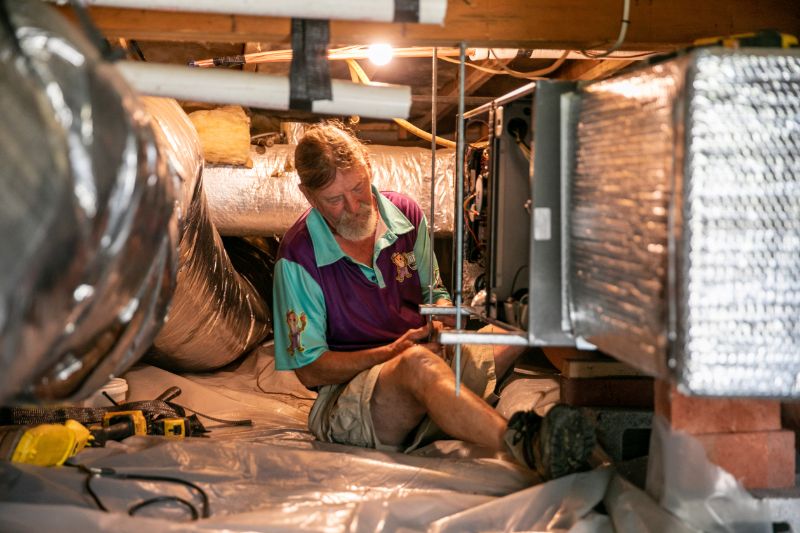
If your water bill jumps, you hear water running when everything is off, or you see stains without an obvious source, do not wait too long. Hidden leaks can damage flooring, drywall, framing, and cabinets before they become obvious.
We can help locate the source with leak detection before the damage spreads. This is especially useful in homes with crawlspaces, finished basements, older supply lines, or plumbing hidden behind remodeled walls.
If You Are Not Sure What You Are Looking At, Ask Us
If you want help sorting through a plumbing concern in your new home, reach out through our contact page and tell us what you are seeing. We will help you decide the next step without making the problem more complicated than it needs to be.
What Should You Know About Your Water Heater?
Your water heater is one of the hardest-working appliances in the house. If it fails, you notice quickly. New homeowners should know the unit’s age, fuel type, shutoff location, and whether there are signs of rust or leaks around the base.
Sediment buildup, popping sounds, rusty water, and inconsistent hot water are all reasons to have it checked. If the unit is older or already acting up, our water heater repair service can help you decide whether maintenance, repair, or replacement makes the most sense.
Call The Otter Guys
Owning a home gets easier when you understand the systems behind the walls. You do not have to know every pipe, valve, and fixture, but you should know the warning signs and have someone you trust when something does not feel right.
If you are a new homeowner in Charlottesville or the surrounding area, The Otter Guys can help with inspections, leak detection, water heater concerns, drain issues, and practical plumbing repairs. Start with our contact page and tell us what you want checked. We will help you protect your home from the plumbing problems that new homeowners often miss.