
Key Takeaways
- Furnaces and heat pumps share some maintenance needs, including filter, airflow, thermostat, electrical, and blower checks.
- Furnace maintenance focuses more heavily on combustion, burners, ignition, and the heat exchanger, while heat pump maintenance includes refrigerant operation, coils, the outdoor unit, and heating and cooling performance.
- Heat pumps operate during both heating and cooling seasons, so they generally need attention more frequently than a furnace that is primarily used during winter.
A furnace and a heat pump can both keep your Virginia home warm, but they do the job very differently. That means the maintenance visit is different too. Homeowners who know what type of system they have are in a better position to understand what should be checked and how often service makes sense.
Both systems benefit from routine professional maintenance. The biggest differences come from how they produce heat and how much of the year they operate.
What Does Furnace Maintenance Focus On?
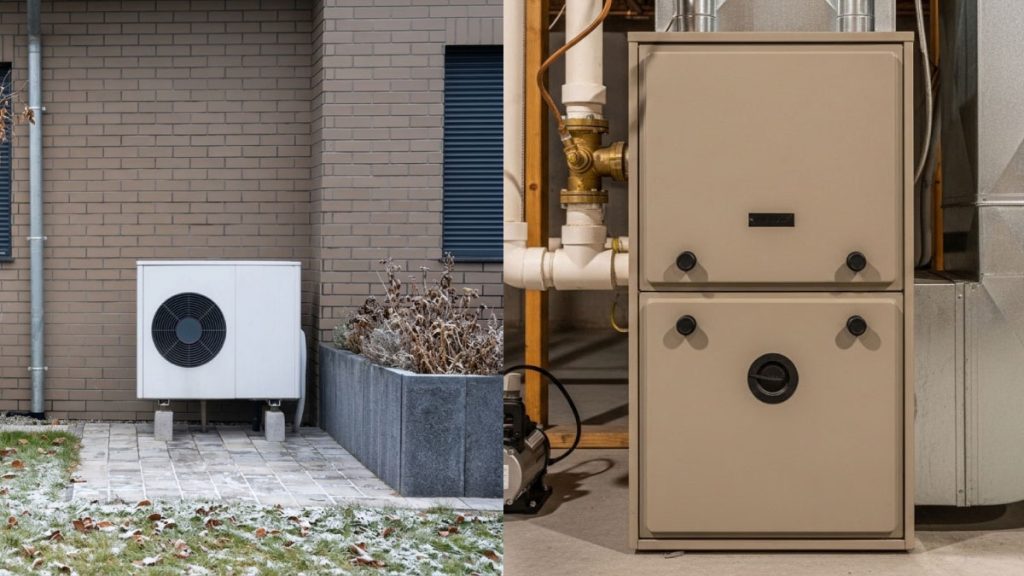
A furnace creates heat and then uses a blower to distribute that warm air throughout the home. With a gas furnace, maintenance needs to account for the combustion process. That means the technician is looking closely at components such as the burner assembly, ignition system, heat exchanger, electrical components, thermostat, blower motor, and safety controls.
During professional furnace maintenance, The Otter Guys also evaluates airflow, temperature output, system cycling, and thermostat accuracy. These checks help identify problems that can lead to poor heating, uneven temperatures, frequent cycling, or an unexpected breakdown once winter arrives.
What Is Different About Heat Pump Maintenance?
A heat pump transfers heat rather than creating it through combustion. During winter, it pulls heat from the outdoor air and transfers it into the home. During summer, the process reverses and the same equipment works much like an air conditioner.
That year round workload changes what needs to be inspected. The Otter Guys’ heat pump maintenance includes the indoor air handler, outdoor unit, refrigerant lines, electrical connections, thermostat controls, airflow, and system cycling. Heating and cooling performance are both important because the same equipment is responsible for comfort during both seasons.
What Maintenance Do Furnaces And Heat Pumps Have In Common?
There is plenty of overlap between the two systems. Both depend on proper airflow, a working thermostat, reliable electrical connections, and a blower that can move conditioned air throughout the home. Dirty filters can create problems for either type of equipment.
Both systems should also be checked for unusual cycling, weak airflow, rising utility costs, and inconsistent temperatures. ENERGY STAR recommends professional preseason HVAC checkups and regular filter inspection because dirty filters and neglected components can affect performance and equipment life.
How Are The Safety Checks Different?
Furnace maintenance includes several checks related specifically to combustion. With gas or oil equipment, the technician needs to evaluate fuel connections, burner operation, ignition, and the heat exchanger. These components affect both heating performance and safe furnace operation.
A heat pump does not use the same combustion process, so its maintenance priorities are different. Refrigerant performance, coils, electrical readings, the outdoor unit, and defrost operation become more important. During winter, the outdoor portion of a heat pump continues operating, so leaves, snow, and other debris around the unit can interfere with airflow.
Does A Heat Pump Need Maintenance More Often?
Heat pumps usually operate more throughout the year because they provide both heating and cooling. The Otter Guys recommends professional heat pump maintenance twice per year, with service before cooling season and again before heating season.
A furnace generally receives professional maintenance once each year, ideally before heating season. Fall is a good time for that visit because the system can be inspected before Virginia temperatures drop and the furnace begins running regularly.
Make Sure Your Heating System Gets The Right Maintenance
If you are not sure whether you have a furnace, heat pump, or another type of heating system, we can help you figure it out and recommend the appropriate maintenance schedule. The inspection should match the equipment in your home rather than following the same checklist for every system.
The Otter Guys provides heating services for furnaces, heat pumps, boilers, and other heating equipment throughout Central Virginia. Reach out through our contact page to schedule the right seasonal service for your system.
What Can Homeowners Do Between Maintenance Visits?
For either system, start with the filter. Check it regularly and replace or clean it according to the filter and equipment manufacturer’s recommendations. Keep supply vents and return grilles open, and pay attention if airflow begins feeling weaker than usual.
Heat pump owners should also keep the outdoor unit free from leaves, grass, snow, and other debris because it operates during winter as well as summer. Furnace owners should watch for unusual startup sounds, inconsistent heating, or repeated cycling once heating season begins. Changes from the way the system normally operates are worth mentioning during service.
Call The Otter Guys
Heat pumps and furnaces have some maintenance needs in common, but the important differences come from how each system operates. Furnaces require combustion and heat exchanger checks, while heat pumps need attention on both the refrigerant-based heating and cooling sides of the system.
The Otter Guys provides professional furnace and heat pump maintenance throughout Charlottesville, Culpeper, Richmond, and surrounding Central Virginia communities. Contact us to schedule seasonal maintenance and make sure your heating system gets the service that fits the equipment in your home.


