Key Takeaways
- Chemical drain cleaners may leave part of a clog behind and can create added risks for pipes and anyone working on the drain later.
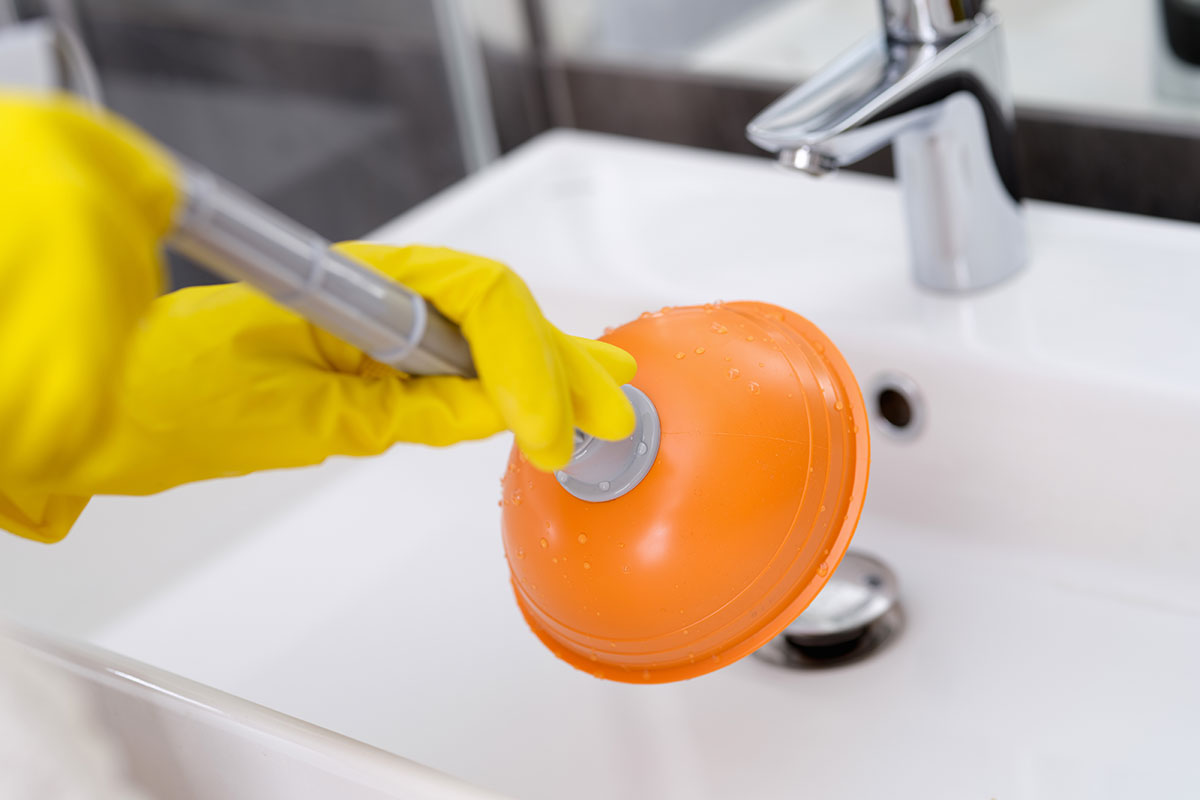
- Plungers and hand snakes can help with minor clogs, but too much force can damage a trap, fitting, or pipe.
- Recurring clogs, several slow drains, sewage odors, and water backing up through another fixture usually need professional clearing.
A slow sink or backed up tub often feels like an easy fix. Sometimes it is. Hair near a shower drain or food caught close to a kitchen sink opening may come out with a simple cleaning. Problems begin when homeowners keep trying products and tools without knowing where the blockage is. A clog near one fixture needs a different approach than grease deep in a kitchen line or trouble affecting the main sewer line.
Why Are Chemical Drain Cleaners A Bad First Choice?
Chemical drain cleaners may break down part of a blockage, but they do not always clear it completely.
The remaining chemical can sit in the trap or behind the clog. That creates a hazard if you later open the pipe, use a plunger, or call a plumber. Repeated use may also be hard on older piping, seals, and finishes.
The EPA recommends keeping harsh drain cleaners out of septic systems because they can interfere with the treatment process. Mechanical clearing is usually a better starting point.
Can The Wrong Tool Make A Clog Worse?
Small hand snakes can help with material close to the drain opening. Problems begin when the cable is forced past bends or pushed into piping it was not designed to handle.
A cable could be damaged by tangles, cause scratches on fixtures, or become lodged in the line. Drain equipment with motors present additional risks as there are limitations on the cable diameter and type of fastening that must be compatible with the pipe. Additionally, plunger use has limitations. For example, if you notice a toilet bubbling during a time when other sinks are being drained, or the water level in your bathtub rising at the same time as an operation is taking place on another fixture, repeated use of a plunger will merely “move” the problem rather than clear it.
Why Does The Clog Keep Returning?
A snake may create a small opening through a clog while leaving grease, soap residue, scale, and sludge on the pipe walls. That buildup catches new debris, so the drain slows down again.
Kitchen lines are prone to grease buildup, while bathroom lines collect hair and soap residue. Recurring trouble often calls for more complete drain cleaning.
Let Us Check A Drain That Keeps Slowing Down
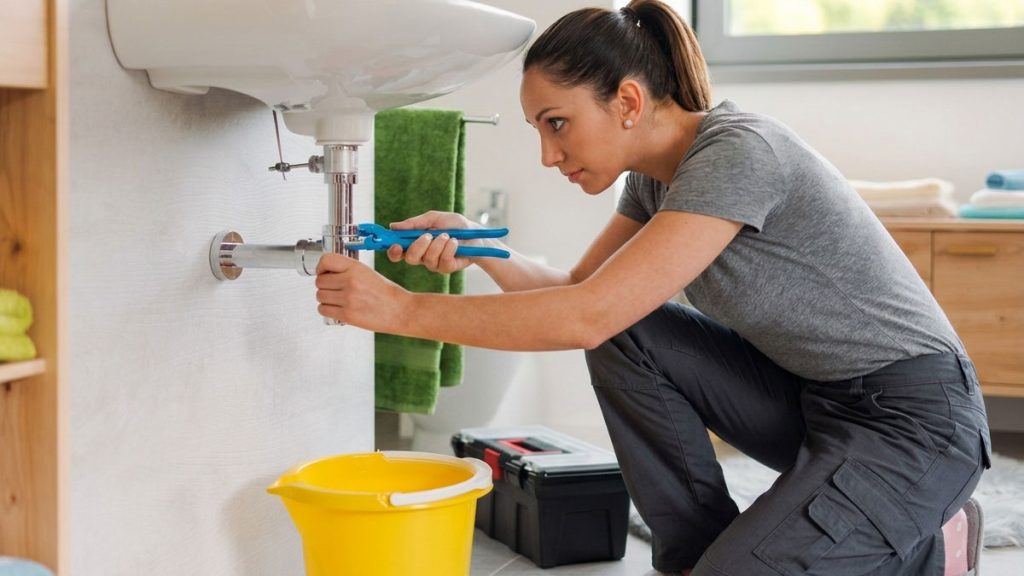
If you have cleaned the stopper, plunged the fixture, or tried a hand snake and the problem keeps returning, we can find out what is happening farther inside the line.
Our plumbers can handle localized clogs, heavy buildup, and larger drainage problems with equipment suited to the pipe. Use our contact page before another round of DIY work leaves you with standing water or a damaged fitting.
Do Baking Soda And Vinegar Clear Serious Clogs?
Baking soda and vinegar may freshen a drain or loosen light residue near the opening. The reaction is unlikely to remove a dense hair clog, thick grease, tree roots, or an object lodged in the line.
Boiling water also deserves caution. It can soften grease temporarily, then carry it farther into the pipe where it cools again. Hot tap water is a safer choice for routine rinsing.
Which Warning Signs Mean I Should Call A Plumber?
One slow sink usually points to a fixture or branch drain. Several fixtures acting up together can mean the problem is deeper.
Watch for these signs:
- Multiple drains slow down at the same time
- Toilets gurgle when another fixture drains
- Water rises in a tub or shower after flushing
- Sewage odors come from several drains
- Wastewater backs up through a low fixture
- A clog returns soon after it was cleared
Stop using water if sewage is entering the home. Emergency plumbing service may be needed when wastewater is spreading.
Why Does A Professional Inspection Matter?
A plumber can determine whether the blockage is near a fixture, spread along the pipe, or located in the main sewer line. The next step may involve a drain machine, hydro jetting, or a camera inspection.
An inspection can uncover roots, a broken pipe, a shifted joint, corrosion, or an object that ordinary cleaning cannot correct. Professional plumbing service also reduces the risk of using a method that is too aggressive for an older or damaged line.
Stirling’s Story
Here’s how we helped Stirling with his drain cleaning needs:
“Amir at The Otter Guys did a fantastic job for me fixing some backed up drain lines. Professional, curious and an attention to detail. I would highly recommend. Thanks again!”
Read the review here.
How Can You Prevent The Next Clog?
Keep grease, coffee grounds, wipes, paper towels, hygiene products, and large food scraps out of drains. Use strainers in sinks, tubs, and showers, then clean them before debris washes into the line.
A sink that takes longer to empty gives you time to address buildup before standing water or sewage appears.
Call The Otter Guys
A minor clog may respond to a plunger or careful cleaning near the drain opening. When the problem keeps returning, affects several fixtures, or comes with gurgling and backups, the line needs a closer look.
Schedule drain cleaning or contact us for help. If wastewater is actively backing up into your Charlottesville area home, call for emergency service.