
Key Takeaways
- Uneven heating usually comes from airflow problems, zoning issues, or the way your building is laid out.
- Cold snaps can push equipment that is already worn out, dirty, or just a little out of tune into failure.
- Small commercial HVAC systems face more challenges than home systems, like longer hours, more foot traffic, and bigger temperature swings.
- Indoor air quality complaints often go up in winter, especially when your building is sealed tight, and the heat is running.
- Cold weather HVAC issues can also raise the risk of frozen pipes in some areas of your building.
Why Does My Building Have Hot and Cold Spots?
Uneven heating is the most common winter complaint we hear from Charlottesville businesses. One room feels just right, while the next is too cold or too hot, and someone is always adjusting the thermostat, hoping for a fix.
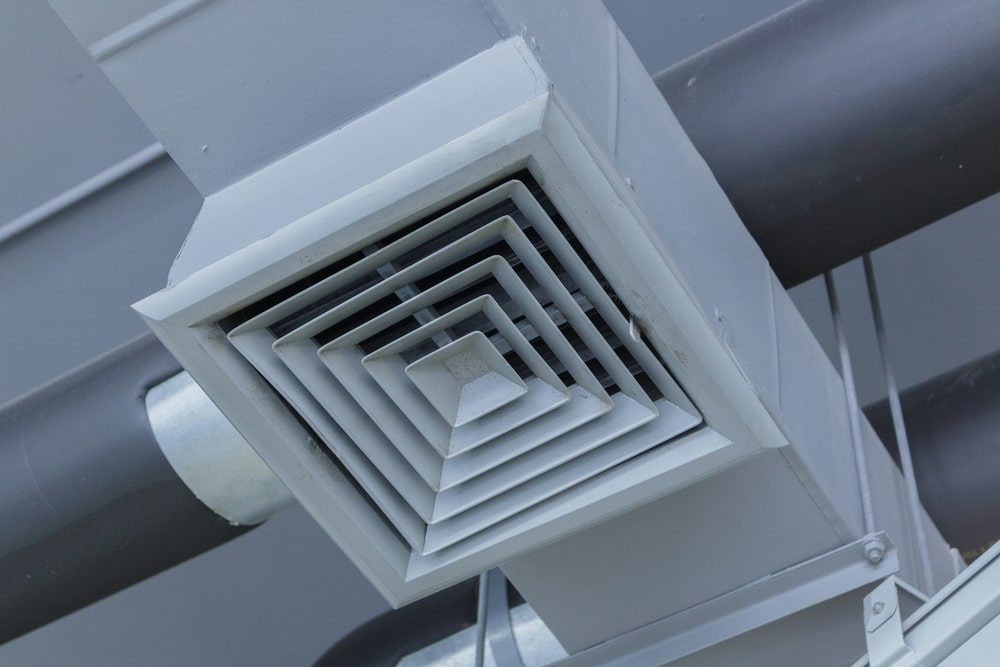
In small commercial spaces, uneven heating usually comes down to airflow or control issues. You might have a damper that is not working right, a zone sensor giving the wrong reading, leaky or undersized ductwork, or a supply register blocked by furniture or inventory. Even something as simple as a dirty filter can cut down airflow and leave the far end of your building feeling colder.
This is where a team that understands commercial HVAC services can help identify the actual bottleneck instead of chasing symptoms.
What Makes Cold Snaps So Hard on Commercial Equipment?
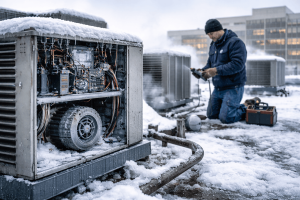
Cold snaps are when small issues turn into big problems. Your system runs longer, your building loses heat faster, and the equipment starts cycling in ways you do not see during milder weather.
When demand spikes, you see more strain on motors, ignition components, sensors, and controls. You can also see more noticeable comfort swings, especially in buildings with frequent door openings or drafty areas. It is not always dramatic at first. Sometimes it starts as longer run times, then it turns into inconsistent heat, then it becomes a no heat call on the first truly cold morning. A good rule of thumb is to treat filters as a first line of defense, not an afterthought.
Our guide on how to choose the right HVAC filter shows that the wrong filter, or a clogged one, can create airflow issues that snowball fast in winter.
When The Otter Guys Should Take a Look Before the Next Cold Snap
If you notice rooms that never match the thermostat, equipment that runs all the time, or heat that just does not feel as strong as last year, it is a good idea to get ahead of the problem. The goal is not to worry, but to catch small issues before the next cold snap turns them into bigger problems.
Why Do Small Commercial Systems Fail Differently Than Residential?
A home HVAC system usually serves one family with predictable routines. In a small commercial building, you have longer hours, more people coming and going, more doors opening, and different zones all needing comfort at the same time. You might need different temperatures in the front retail area and the back office, or in the lobby and the storage room. This constant balancing act makes commercial systems more sensitive to airflow, control, and ductwork problems.
That is why commercial HVAC problems can sneak up on you. The system might still be running, but the building is not comfortable. Or maybe most of the building feels fine, but one area keeps getting worse each week.
How Can Winter HVAC Issues Hurt Indoor Air Quality?
Winter is when indoor air problems usually show up. With windows closed and people spending more time inside, your HVAC system becomes the main source of airflow and filtration. If your system is struggling, you might notice more dust, dry air, stale smells, or lingering odors. Uneven heating can also create pockets of stagnant air, especially in back rooms or areas with less traffic. In some buildings, changes in humidity can make the space feel colder than it really is, which leads people to turn up the thermostat and dry out the air even more.
If indoor air has been an ongoing complaint at your business, it may be worth looking into options beyond a basic filter. Indoor air quality services can also help keep your airflow safe when you bunker down for the winter.
What Maintenance Actually Matters Most in Winter?
Most business owners do not want a long checklist. You want to know the few things that really make a difference.
Start by checking airflow and filtration, then look at your controls and zoning. After that, pay attention to any comfort complaints that keep coming up, even if they seem small. These patterns are often early warning signs.
For a simple maintenance baseline, ENERGY STAR recommends checking your HVAC air filter monthly during heavy use seasons and replacing it as needed, since clogged filters can increase energy costs and contribute to equipment wear. You can see their full checklist here.
Bob’s Story
Here’s how we helped Bob make sure he was ready for the winter:
“Excellent work done ahead of schedule. Yahmond and Tyler worked tirelessly to insure we had heat the first night of the two day job on the coldest day of the year. They worked in the cold and were most professional, addressed all issues quickly, cleaned up during the job and afterwards. You never knew they were there. They trained us on the system and most importantly, the new HVAC system is working perfectly. We give these men our highest recommendations. BZ”
Read the review here.
If your Charlottesville business is dealing with uneven heat, recurring comfort issues, or a system that struggles when temperatures drop, our team at The Otter Guys can help you find real solutions. Sometimes the fix is simple, and sometimes it takes a closer look at airflow or zoning. Either way, taking care of it before the next cold snap is the best way to avoid stress and downtime. Contact us today!


