
Key Takeaways
- In summer, your ceiling fan should usually spin counterclockwise so it pushes air down and creates a wind-chill effect
- In winter, it should usually spin clockwise on a low speed, so it helps move warm air back down without making the room feel drafty
- Fan direction does not change the actual temperature, but it can improve comfort and help you rely less on heating and cooling when used correctly
Once you understand those basics, the rest comes down to using the fan in the right room, at the right speed, in the right season.
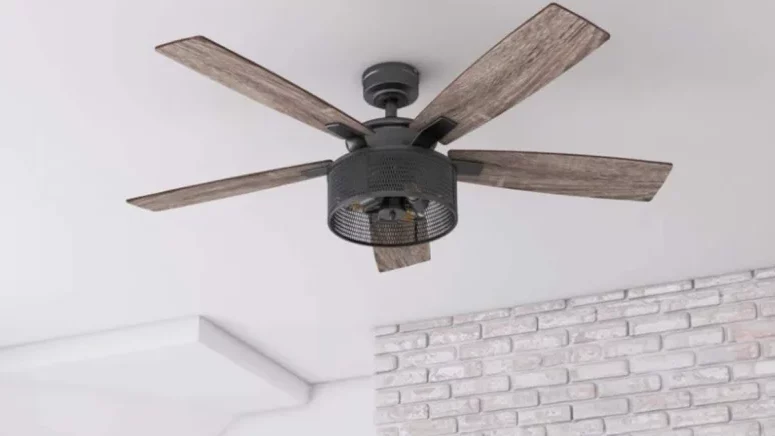
If you have ever stood under a ceiling fan and wondered whether it is actually helping, you are not alone. A lot of homeowners leave the fan on the same setting year-round, which means they miss out on easy comfort and, in some cases, make the room feel worse. The good news is that ceiling fan direction is simple once you know what to look for, and a quick adjustment can help your home feel better in both summer and winter.
What Direction Should A Ceiling Fan Turn In Summer?
In summer, your fan should usually turn counterclockwise when you look up at it from below. That direction pushes air downward, which creates a breeze on your skin and makes the room feel cooler even if the thermostat setting stays the same. That is why ceiling fans are so useful during Virginia’s humid summer stretches, when the air feels heavy even before the temperature gets extreme.
The fan is not lowering the room temperature. It is helping your body feel cooler because moving air increases evaporation from your skin. That simple effect can make a room feel more comfortable without forcing your AC to do all the work.
What Direction Should A Ceiling Fan Turn In Winter?
In winter, your fan should usually turn clockwise on a low speed. That sounds backward at first, but the goal changes in cold weather. Instead of creating a cooling breeze, the fan gently pulls air upward, which helps push warm air that has collected near the ceiling back down along the walls and into the room.
This matters because warm air naturally rises. In rooms with higher ceilings, a lot of heat can end up trapped above where you actually live and sit. A low-speed clockwise fan helps redistribute that heat more evenly, which can make the room feel steadier without creating that chilly draft people hate in winter.
Contact us today to schedule a time for us to come out and check your system to make sure it is working correctly. You can do that by filling out the form on our contact page or giving us a call at 434-722-3989.
How Does Ceiling Fan Direction Affect Energy Bills?
Ceiling fans can support lower energy use, but only when they are used correctly. In summer, the breeze may let you keep the thermostat a little higher while staying comfortable. In winter, the low-speed reverse setting can help reduce temperature layering in rooms with tall ceilings.
The key is that fans help people feel more comfortable. They do not directly heat or cool the air. That is why the U.S. Department of Energy explains that fans create a wind-chill effect and should generally be turned off when no one is in the room. Since fans cool people rather than spaces, leaving them on in an empty room usually adds to energy use instead of reducing it.
A Quick Midway Check If Your Room Still Feels Off
If you switch the fan direction and the room still never feels right, that usually points to something bigger than the fan. Weak HVAC airflow, poor duct balance, hot second-floor rooms, or a system that is not keeping up can all make a fan seem ineffective when the real issue is elsewhere.
That is often the right moment to involve us. If your home has rooms that stay stuffy in summer or uneven in winter, we can take a closer look at airflow and comfort issues before you keep chasing small fixes.
How Can You Tell Which Direction Your Fan Is Spinning?
Sometimes the change is obvious. Sometimes it is not. The easiest way to tell is to stand under the fan and look at the blade movement. In most cases, counterclockwise creates the stronger downward breeze you feel in summer. Clockwise on low speed should feel much gentler, with less direct air movement on your skin.
Most fans have a small switch on the motor housing that changes the direction. Always turn the fan off completely before flipping it. Once the direction changes, set the speed to match the season. Higher speed for summer comfort. Low speed for winter air circulation. That quick seasonal check only takes a minute, but it can make the room feel noticeably better.
Call The Otter Guys
If you have changed the fan direction and the room still feels uncomfortable, the issue may be bigger than the fan itself. We can help you sort out whether the problem is airflow, uneven heating or cooling, or an HVAC system that is not performing the way it should. We’ll be happy to come out and do a routine maintenance check on your AC to make sure it is working properly.
Reach out through our contact page, and we will help you figure out what is really going on so your home feels more comfortable in every season.


