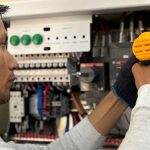
Your electrical panel quietly manages nearly every part of your daily routine. It distributes electricity to your lights, appliances, outlets, heating and cooling equipment, water heater, entertainment systems, and other devices. When the panel is working correctly, most homeowners rarely think about it. However, an outdated, damaged, or undersized panel can create frustrating electrical problems and potentially serious safety concerns.
The Otter Guys Heating, Air Conditioning & Plumbing helps Virginia homeowners protect the comfort, reliability, and essential systems within their homes. Whether your household is dealing with an aging electrical system, planning a major renovation, or adding equipment that requires more power, recognizing the signs of an inadequate panel can help you address the problem before it becomes an emergency.
Modern households use considerably more electricity than homes did several decades ago. Large televisions, computers, air conditioners, heat pumps, electric water heaters, kitchen appliances, charging stations, and smart devices can place significant demands on older electrical systems. In fact, the Electrical Safety Foundation International notes that many existing homes may not be equipped to handle the demands created by today’s appliances and electronics.
Here are seven warning signs that it may be time to have your electrical panel professionally evaluated and possibly upgraded.
What Does an Electrical Panel Do?
Your electrical panel, sometimes called a breaker box or service panel, receives electricity from the utility company and distributes it through individual circuits throughout your home. Each circuit breaker is designed to interrupt the flow of electricity when it detects an overload or another unsafe condition.
When a circuit attempts to draw more electricity than it can safely carry, its breaker should trip. This protective response helps reduce the risk of overheated wiring, electrical damage, and fires.
A breaker that trips occasionally does not necessarily mean the entire panel needs to be replaced. For example, running a hair dryer and a portable heater on the same circuit may temporarily overload it. Breakers that repeatedly trip during normal household use, however, indicate that something needs attention.
An electrical panel upgrade may involve replacing an outdated panel, increasing the home’s electrical capacity, installing new breakers, or upgrading the electrical service that supplies the property. A qualified professional must inspect the system to determine the appropriate solution.
1. Your Circuit Breakers Trip Frequently
One of the most recognizable signs of an overloaded or inadequate electrical system is a breaker that trips repeatedly.
Circuit breakers are safety devices. They are supposed to shut off a circuit when the electrical demand becomes unsafe. Resetting a tripped breaker once may solve a temporary overload, but continually walking to the panel to reset the same breaker is not normal.
Frequent tripping may be caused by:
- Too many devices operating on one circuit
- A high-demand appliance without a dedicated circuit
- Damaged or deteriorating wiring
- A short circuit
- A ground fault
- A failing breaker
- Insufficient electrical capacity
Never attempt to prevent a breaker from tripping or replace it with a higher-rated breaker without a professional evaluation. The breaker’s rating must match the wiring and circuit design. Installing an improperly sized breaker could allow wiring to overheat without shutting off.
The Electrical Safety Foundation International identifies frequent breaker trips and blown fuses as warning signs of an overloaded electrical system.
2. Your Lights Dim or Flicker When Appliances Turn On
Do the kitchen lights dim when the refrigerator starts? Do lamps flicker when the air conditioner, heat pump, microwave, or washing machine begins running?
Large appliances draw additional electricity when their motors or compressors start. A very brief and barely noticeable change may occur in some homes, but obvious or persistent dimming deserves professional attention.
Flickering or dimming lights may indicate:
- An overloaded circuit
- Loose electrical connections
- Aging wiring
- An undersized panel
- A problem with the electrical service
- A malfunctioning appliance
Pay attention to when the flickering happens. If it consistently occurs when a particular appliance starts, that appliance may need a dedicated circuit. If lights flicker throughout the entire house, the issue could involve the panel, service connection, or utility supply.
This is also one reason your electrical and home comfort systems should be considered together. Air conditioners, heat pumps, electric furnaces, and water heaters can represent some of the largest electrical loads in a home. Upgrading one of these systems without evaluating the home’s available capacity could lead to performance problems.
3. You Notice Burning Odors, Buzzing, or Unusual Heat
Some electrical warning signs require immediate action.
Contact a qualified professional promptly if you notice:
- A burning or melting odor near the panel
- Buzzing, crackling, or popping sounds
- Heat coming from the panel cover
- Scorch marks or discoloration
- Smoke or visible sparking
- Melted insulation
- Rust, moisture, or corrosion inside or around the panel
A breaker box should not smell burned, produce persistent noises, or become unusually hot. These symptoms could indicate loose connections, overheating components, damaged breakers, arcing, or other hazardous conditions.
Do not remove the panel cover or touch internal components. Even when individual breakers are turned off, parts of the electrical panel may remain energized. Electrical panel diagnosis and repair should be left to a properly trained and qualified professional.
If you see smoke or flames, leave the home, call 911 from a safe location, and do not attempt to use water on an electrical fire.
4. Your Home Still Has a Fuse Box or an Older Panel
Many older Virginia homes have plenty of charm, but their electrical systems may have been designed for a much different lifestyle.
A house built decades ago may originally have needed enough power for basic lighting and a limited number of appliances. Today, the same property may contain central air conditioning, multiple televisions, computers, countertop appliances, smart-home technology, an electric dryer, and numerous rechargeable devices.
Traditional fuse boxes are not automatically dangerous when they are correctly installed and maintained. However, they often provide less capacity than modern households need. Some homeowners also create hazards by installing incorrectly rated fuses or relying on adapters and extension cords to work around limited circuits.
An older breaker panel may also have:
- Limited space for additional circuits
- Deteriorated internal components
- Obsolete breakers that are difficult to replace
- Previous repairs that do not meet current standards
- Signs of corrosion or overheating
- Insufficient capacity for planned improvements
Age alone does not determine whether a panel is unsafe. Its condition, capacity, design, installation, and maintenance history all matter. Still, ESFI recommends having a home inspected by a qualified electrician when it is more than 40 years old or after a major appliance has been installed.
5. You Rely Heavily on Extension Cords and Power Strips
Extension cords are intended to provide temporary access to electricity. They should not become permanent substitutes for adequate outlets and circuits.
If every room contains multiple power strips, outlet splitters, or extension cords, your home may not have enough properly placed receptacles for your needs. This is especially common in older homes that were built before families routinely used computers, televisions, chargers, gaming systems, kitchen appliances, and other electronics.
Warning signs include:
- Extension cords running beneath rugs
- Multiple power strips connected together
- Large appliances plugged into power strips
- Cords stretched across doorways or walkways
- Warm plugs, cords, or outlets
- Loose-fitting plugs
- Too many devices connected to one receptacle
Adding outlets may solve part of the problem, but the available circuits and panel capacity must also be evaluated. Simply installing more receptacles on an already overloaded circuit does not increase the amount of electricity that circuit can safely provide.
A professional can determine whether you need additional outlets, dedicated circuits, updated wiring, a larger panel, or a combination of improvements.
6. You Are Planning a Major Home Improvement
Homeowners often discover electrical capacity limitations when they begin planning a renovation or equipment upgrade.
Projects that may increase electrical demand include:
- Installing a Level 2 electric vehicle charger
- Replacing gas appliances with electric models
- Adding a heat pump or central air conditioner
- Installing an electric water heater
- Finishing a basement
- Building a home addition
- Remodeling a kitchen
- Adding a hot tub or pool equipment
- Creating a workshop
- Installing solar panels or battery storage
- Adding a whole-home generator connection
Before the project begins, a professional should calculate the home’s existing electrical load and available capacity. This calculation considers the service size, major appliances, heating and cooling equipment, water heating, lighting, and proposed additions.
Not every new appliance requires a full panel upgrade. In some cases, a dedicated circuit or load-management equipment may be sufficient. In others, the panel may lack the capacity or physical space needed to support the improvement safely.
Planning early can help prevent project delays and unexpected costs. It also allows electrical requirements to be coordinated with HVAC and plumbing work. For example, installing a new heat pump or electric water heater may involve more than selecting the equipment. The home must also have the electrical capacity, appropriate circuit, and supporting infrastructure to operate it properly.
7. Your Panel Is Full or Uses Tandem Breakers Extensively
Open your panel door without removing its protective cover and look at the breaker labels. If every available space is occupied, the panel may not be able to accommodate future circuits.
Some panels are designed to accept tandem breakers, which place two circuit controls within one breaker space. When the panel manufacturer permits them and they are installed in approved positions, tandem breakers can be a legitimate solution. However, numerous tandem breakers may indicate that previous owners or contractors repeatedly worked around limited panel space.
Other warning signs include:
- Missing or inaccurate circuit labels
- Breakers installed in every available position
- Open spaces without proper filler plates
- Multiple wires connected to a breaker not designed for them
- A small subpanel added because the main panel was full
- Crowded or poorly organized wiring
Homeowners should not remove the cover to inspect wiring. A qualified professional can safely evaluate the panel’s condition, configuration, capacity, and compliance with applicable requirements.
A full panel does not always require complete replacement, but it limits your options. If you plan to add an EV charger, HVAC equipment, generator, workshop, or major appliance, upgrading the panel may be the most practical long-term solution.
What Happens During an Electrical Panel Evaluation?
An electrical panel upgrade should begin with a detailed assessment rather than a one-size-fits-all recommendation.
A professional evaluation may include:
- Reviewing the panel’s manufacturer, age, and rating
- Checking for heat damage, corrosion, or loose connections
- Inspecting the condition and placement of breakers
- Reviewing the existing circuit directory
- Calculating the home’s current electrical load
- Discussing planned appliances and renovations
- Evaluating grounding and bonding
- Determining whether the utility service must be upgraded
- Reviewing local permit and inspection requirements
- Explaining appropriate repair or replacement options
The result may be a simple breaker repair, a new dedicated circuit, replacement of an outdated panel, or a larger electrical service. The recommendation should reflect the actual condition and needs of the home.
Why Does an Electrical Panel Upgrade Matter?
A properly sized, professionally installed panel can support a safer and more dependable electrical system. It may also prepare the home for future technology and comfort improvements.
Potential benefits include:
- Increased capacity for modern appliances
- Space for additional circuits
- More reliable operation of major equipment
- Reduced dependence on extension cords
- Better preparation for an EV charger
- Support for HVAC and water-heating upgrades
- Easier circuit identification
- Replacement of damaged or obsolete components
- Greater confidence in the home’s electrical system
A new panel does not automatically correct every electrical problem. Damaged wiring, faulty outlets, overloaded branch circuits, or improperly installed equipment may require separate repairs. That is why a complete inspection is essential.
Frequently Asked Questions About Electrical Panel Upgrades
Does a frequently tripping breaker mean I need a new panel?
Not necessarily. A single breaker may trip because the circuit is overloaded, the breaker is worn, an appliance is malfunctioning, or the wiring has a fault. A professional should diagnose the cause before recommending panel replacement.
Can I upgrade an electrical panel myself?
Electrical panel work is not an appropriate do-it-yourself project. The panel contains high-voltage components, and portions may remain energized even when the main breaker is switched off. Mistakes can cause severe shock, fire, property damage, or code problems.
Do I need a panel upgrade before installing an EV charger?
It depends on your current service size, existing household load, charger specifications, and available panel space. A load calculation should be completed before the charger is installed.
Will a larger panel lower my electric bill?
A panel upgrade does not directly reduce electricity rates or consumption. However, correcting loose connections, damaged components, or overloaded circuits can help equipment operate more safely and reliably. Energy savings are more likely to come from efficient HVAC equipment, appliances, insulation, and household habits.
How long does an electrical panel last?
There is no universal replacement age. Environmental conditions, installation quality, electrical demand, maintenance, and panel design all affect longevity. An older panel should be evaluated based on its condition and ability to meet the home’s present needs.
Do Not Ignore Electrical Warning Signs
Repeated breaker trips, flickering lights, burning odors, unusual sounds, and overheated components are not minor inconveniences. They are signs that your electrical system may be struggling or developing a potentially dangerous fault.
The safest approach is to schedule an evaluation before adding major equipment or attempting a temporary workaround. Avoid repeatedly resetting breakers, connecting large appliances to power strips, or trying to repair the panel yourself.
The Otter Guys understand that your electrical system works alongside your heating, air conditioning, and plumbing equipment to keep your household comfortable. From the heat pump that carries your family through a cold Virginia night to the water heater that supports your morning routine, dependable home systems require the right infrastructure.
When you need honest, dependable home service, call The Otter Guys. Our Virginia-owned and community-focused team is proud to help homeowners protect their comfort with professional heating, cooling, and plumbing solutions. Schedule your appointment with The Otter Guys and experience service done right.