Key Takeaways
- Protect exposed plumbing before freezing weather arrives, especially pipes in crawlspaces, garages, basements, and exterior walls.
- Heating equipment should be checked before winter so there is time to address airflow, thermostat, electrical, or mechanical problems.
- Knowing where your main water shutoff is and paying attention to small plumbing changes can make a big difference during a winter emergency.
Winter preparation in Central Virginia is about getting ahead of the first real cold snap. A furnace that struggled at the end of last season or a pipe that sits in a cold crawlspace may seem fine during mild fall weather, then become a problem once overnight temperatures drop.
A good winter checklist covers both sides of the house. Your heating system needs to be ready for longer run times, while the plumbing needs protection from freezing temperatures and the extra strain that comes with holiday guests and heavier indoor water use.
Have You Checked Your Heating System Yet?
Turn the heat on before you actually need it. Listen to the system start, make sure warm air reaches the rooms evenly, and pay attention to unusual noises, smells, or frequent cycling. Check the thermostat and replace the air filter if it is dirty.
Professional furnace maintenance service is best handled before the coldest weather arrives. ENERGY STAR recommends preseason heating checkups because technicians can inspect system controls, electrical connections, airflow, and heating-specific components before winter demand picks up.
Does Your Heat Pump Need Winter Attention Too?
Heat pumps require their own winter preparation because the outdoor unit continues operating during heating season. Clear leaves, grass, and other debris from around the equipment so air can move freely. Once winter arrives, keep an eye on the outdoor unit after snow or ice events as well.
Professional heat pump maintenance can check airflow, electrical components, refrigerant operation, thermostat controls, and overall heating performance. Heat pumps work during both summer and winter, so fall is a useful time to make sure the system is ready to switch from cooling to regular heating.
Are Your Pipes Protected From Freezing?
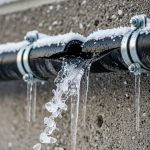
Walk through the colder parts of the home and look for exposed water lines. Crawlspaces, unfinished basements, garages, exterior walls, and cabinets along outside walls deserve the most attention. Pipe insulation and sealing cold drafts can help protect vulnerable sections.
The American Red Cross specifically warns that plumbing running through unheated areas can freeze and burst. Before a severe cold snap, open sink cabinet doors when plumbing sits against an exterior wall and consider allowing vulnerable faucets to drip slightly when conditions call for it.
Have You Disconnected Outdoor Hoses?
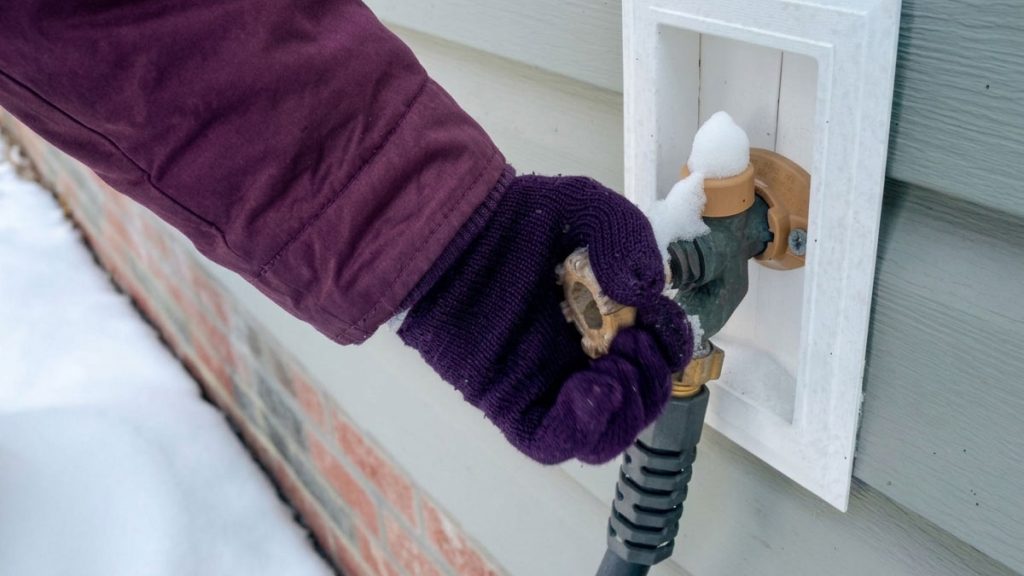
A garden hose left attached to an outdoor faucet can trap water where you do not want it during freezing weather. Disconnect hoses, drain them, and store them for winter. Check outdoor faucets for dripping while you are there.
If your home has interior shutoff valves for outdoor hose bibs, close them when appropriate and drain the exterior portion of the line. Outdoor plumbing varies from home to home, so a professional plumbing service can help if you are unsure how a particular faucet or water line should be winterized.
Is Your Water Heater Ready For Heavier Use?
Winter usually means more demand for hot water. Longer showers, holiday visitors, laundry, and dishwashing can expose a water heater that was already struggling. Check around the tank or connections for moisture, corrosion, or signs of leaking.
Pay attention to changes in hot water too. Inconsistent temperature, unusual noises, rusty water, or hot water running out much faster than usual deserve attention. Handling those symptoms before guests arrive is much easier than losing hot water during a cold weekend.
Get The House Checked Before Temperatures Drop
If you already know the furnace has been acting strangely or you have plumbing in a cold crawlspace that makes you nervous every winter, fall is a good time to deal with it. Waiting until a pipe freezes or the heat stops working limits your options.
You can schedule winter service with The Otter Guys before the busiest part of heating season. We can help identify heating or plumbing concerns that are better addressed while the weather is still cooperative.
What Should You Do During A Severe Cold Snap?
Keep the house heated consistently and pay attention to rooms or cabinets where plumbing runs near exterior walls. If a faucet suddenly produces very little water during freezing weather, a pipe may already be freezing.
Never use an open flame to thaw plumbing. If a frozen pipe begins leaking or bursts, shut off the main water supply and call for emergency plumbing help. Water may not appear until the frozen section begins thawing, so stay alert even after temperatures start warming.
Call The Otter Guys Before Winter Arrives
A little preparation can make winter much easier on both your plumbing and heating systems. Check the heat, replace dirty filters, protect vulnerable pipes, disconnect outdoor hoses, inspect the water heater, and make sure everyone knows where the main water shutoff is.
The Otter Guys helps homeowners throughout Charlottesville and Central Virginia prepare their homes for colder weather. Schedule your winter service before the next cold stretch so your plumbing and heating systems are ready when temperatures fall.