Key Takeaways
- A slow drain going into winter may already have grease, soap, debris, or another restriction inside the line.
- Freezing weather can create additional plumbing problems around exposed pipes and vents, making an existing drainage issue harder to ignore.
- Multiple slow drains, sewage backups, strong odors, or standing wastewater should be checked quickly, especially during a cold snap.
A sink that drains a little slowly in October may not feel urgent. Once temperatures drop, though, existing plumbing problems can become much harder to manage. Cold weather puts different parts of the system under stress, while holiday cooking, guests, and heavier indoor water use can add more material and water to drains that were already struggling.
For Charlottesville and Central Virginia homeowners, the important thing is to pay attention to changes before the next cold stretch. A drain that has been getting slower for weeks is worth dealing with while the problem is still contained.
Why Can Cold Weather Make An Existing Drain Problem Worse?
Cold weather does not automatically clog a drain. Most clogs still come from familiar materials such as grease, hair, soap residue, food waste, wipes, and other debris. If those materials have already narrowed the pipe, water has less room to move through the line.
Kitchen plumbing deserves extra attention because grease can collect on pipe walls and trap food debris. The EPA recommends keeping fats, oils, grease, coffee grounds, and other problematic materials out of household drains. A partially restricted line may continue draining for months before heavier use finally pushes it toward a backup.
Can Drain And Sewer Pipes Freeze?
Water supply lines are generally the pipes homeowners hear about most during freezing weather because they remain full of pressurized water. The American Red Cross warns that pipes in crawlspaces, basements, garages, exterior walls, and other unheated areas are particularly vulnerable to freezing.
Drain and sewer piping normally carries water away rather than holding it continuously, so the situation is different. Problems can still develop where water sits in poorly pitched, exposed, or already restricted sections of plumbing. Existing blockages give wastewater fewer places to go, which is one reason a slow drain should be addressed before winter conditions add another complication.
Can Cold Weather Affect Plumbing Vents?
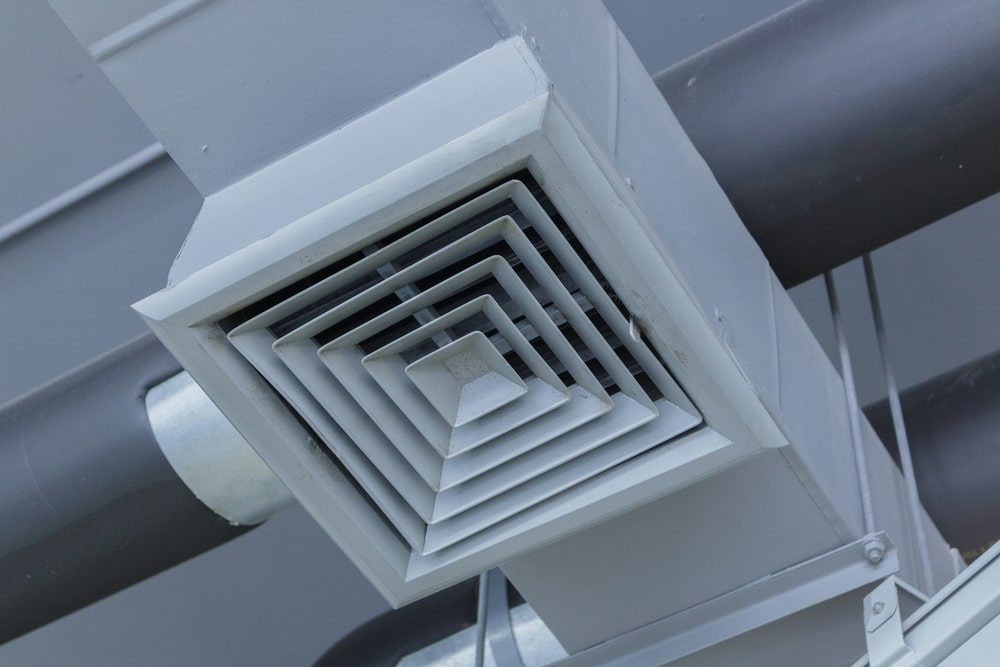
Yes. Plumbing vents help balance pressure inside the drainage system so wastewater can move normally. The EPA notes that vent pipes can become obstructed by debris and may freeze during prolonged cold spells, potentially contributing to odors inside or outside the home.
A vent problem may cause gurgling, unusual smells, or changes in drainage. Those symptoms can look similar to a clog, so repeatedly plunging the nearest fixture may not solve anything. If several drains begin acting differently at once, professional plumbing service can help determine whether the issue is a drain blockage, vent problem, or something farther down the system.
Deal With A Slow Drain Before Winter Makes It Harder
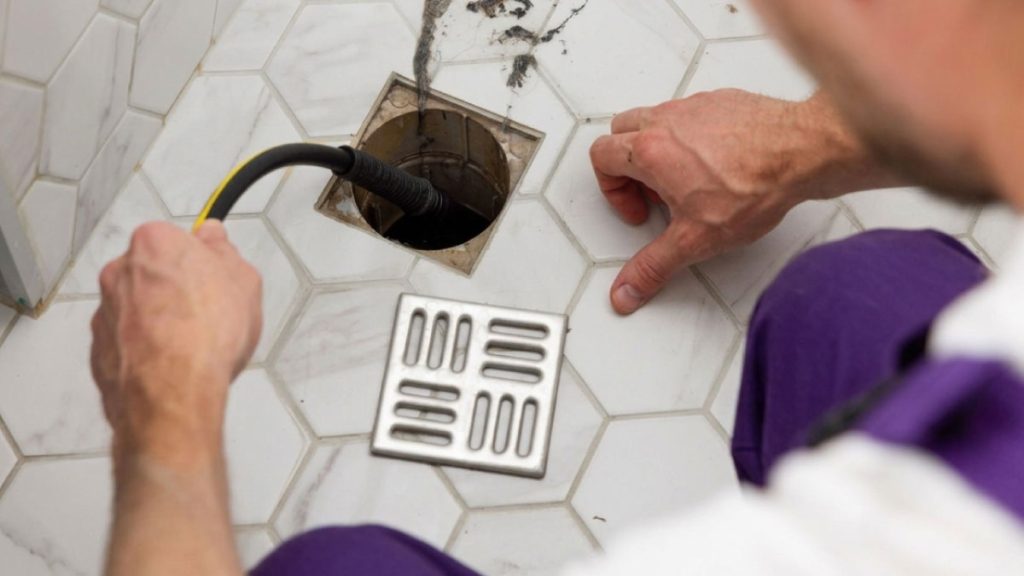
If a drain has already been giving you trouble, you do not need to wait for a complete backup to have it checked. We can look at the drainage system, locate the restriction, and determine whether cleaning is enough or whether another plumbing issue is contributing.
Reach out through our contact page before a recurring clog becomes the thing you are dealing with during the coldest week of winter. Taking care of the problem while water is still moving is usually much easier than responding after wastewater has nowhere to go.
How Can You Reduce The Risk Of A Winter Drain Emergency?
Be especially careful about what goes into kitchen drains during the colder months. Holiday cooking can mean more grease, scraps, starches, and food waste around the sink. Collect cooking grease separately, scrape dishes before rinsing them, and keep wipes, paper towels, and hygiene products out of toilets.
It also helps to address plumbing vulnerabilities before temperatures fall sharply. Protect exposed water lines, keep heated areas warm enough to prevent nearby pipes from freezing, and watch crawlspaces or other areas where pipes have frozen before. Small preventive steps can keep separate cold-weather plumbing problems from piling up at the same time.
When Does A Drain Problem Become An Emergency?
A slow drain that still clears can usually be scheduled for regular service. The situation changes when sewage is entering the home, several fixtures are backing up, standing wastewater continues to rise, or you cannot use the plumbing without making the backup worse.
Stop using water if sewage begins coming through a tub, shower, toilet, or floor drain. Sending more water into a blocked system can increase the amount that comes back into the house. In that situation, emergency plumbing service is the safer next step.
Call The Otter Guys Before A Small Drain Problem Gets Bigger
Winter is a bad time to discover that the kitchen sink, main drain, or sewer line has been struggling for months. If you notice recurring clogs, slower drainage, gurgling fixtures, or unusual sewer odors, dealing with the problem early can help you avoid a much messier situation later.
The Otter Guys provides drain cleaning and plumbing service throughout Charlottesville and Central Virginia. Contact us if a drain has been getting slower or backing up repeatedly. If wastewater is already entering the home, call for emergency plumbing service and avoid using additional water until the system can be checked.