- Call an emergency plumber when water is actively damaging the home, sewage is backing up, or you cannot safely stop the problem yourself.
- Burst pipes, major leaks, overflowing fixtures, sewer backups, and failed water heaters should be addressed promptly to minimize damage.
- Small leaks can usually wait for regular service, but water spreading into floors, ceilings, walls, or electrical areas should be treated as urgent.
Plumbing problems tend to be less stressful if they occur during regular business hours. However, issues that arise on holidays or just before you leave for vacation often create an added sense of urgency. Issues may either wait until normal business hours to schedule an appointment or require immediate service, as every additional minute results in more water loss, further property damage, and increased risk. Being aware of the differences will help you feel calmer and decide whether to call.
Is Water Actively Spreading?
If water is moving across the floor, dripping through the ceiling, or soaking cabinets, it is time to act quickly. Start by shutting off the nearest fixture valve if you can. If that does not stop the water, shut off the main water supply.
According to the EPA WaterSense Fix A Leak guidance, household leaks waste large amounts of water every year, and larger active leaks can create damage much faster than most homeowners expect.
Is Sewage Backing Up Into The Home?
Sewage backup is always urgent. If wastewater comes up through a tub, shower, floor drain, or toilet, stop using water in the home and call a plumber. Running more water can make the backup worse.
A sewer backup can come from a main line clog, tree roots, collapsed piping, or a blockage farther down the system. If several drains are slow, gurgling, or backing up at the same time, schedule drain cleaning before the issue grows into a larger mess. If sewage is already entering the home, emergency service is the safer choice.
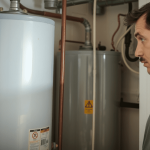
Is Your Water Heater Leaking?
A small drip from a fitting may not always require an emergency call, but water pooling around the tank is different. A leaking water heater can damage floors, walls, and nearby belongings, especially if the tank is in a closet, basement, or utility room.
If you see water around the unit, shut off the water supply to the heater if you can do so safely. If the leak is significant, turn off power to the unit as well. Then contact us for water heater repair so we can determine whether the leak is coming from a valve, connection, or the tank itself.
Could A Hidden Leak Wait Until Morning?
Some hidden leaks can wait for regular service, but not all of them. A stain on the ceiling that appeared weeks ago may be less urgent than a stain that is growing right now. A damp cabinet floor is concerning, but water dripping into a light fixture or spreading under finished flooring should be handled quickly.
If you hear water running when everything is off, see a sudden pressure drop, or notice new moisture without a clear source, leak detection can help find the problem before more damage develops. If water is actively spreading, do not wait for a regular appointment.
What Should You Do Before The Plumber Arrives?
A few quick steps can limit damage while help is on the way. Only do what feels safe.
Here are the first steps to take.
- Shut off the fixture valve or main water valve if water is still flowing.
- Turn off the power near standing water if you can do so safely.
- Move furniture, rugs, boxes, and valuables away from wet areas.
- Take photos of the damage for your records.
- Avoid using sinks, tubs, toilets, or appliances if sewage is backing up.
These steps help protect the home while the actual plumbing issue is being repaired.
If You Are Unsure, We Can Help You Decide
Some plumbing issues sit in a gray area. You may not know whether a slow leak, strange sound, or wet spot needs immediate service. In that case, it is better to ask than to wait and hope the problem slows down.
If you are dealing with active water, a possible hidden leak, a failed water heater, or a drain backup, reach out through our contact page and tell us what is happening. We can help you decide whether it needs emergency service or whether a scheduled repair is the better fit.
Why Fast Drying Matters After A Leak
Fixing a leak is only half of the process. Moisture in building materials also needs to be addressed. If you have damp drywall, cabinets, insulation, or flooring that has been exposed to moisture, it will eventually cause odors or other damage if left for extended periods. This is one reason the Centers for Disease Control and Prevention (CDC) recommends quickly drying out wet areas and removing any water-damaged building materials as needed.
This is why many emergency plumbers also include recommendations for what to do after the repair. Once you’ve stopped the flow of water, continue circulating the air in your home by turning on fans, removing any items that have absorbed water when possible, and monitoring the affected area for potential moisture accumulation.
Call The Otter Guys
If you have water spreading, sewage backing up, a burst pipe, or a leaking water heater, The Otter Guys can help. We will focus on stopping the immediate problem, finding the source, and explaining the next steps clearly.
For urgent help, use our emergency plumbing service. If you are not sure whether your situation counts as an emergency, reach out through our contact page and tell us what you are seeing. We will help you make the right call and protect your home from further damage.