
Key Takeaways
- Tree roots usually enter sewer lines through an existing crack, loose joint, or damaged section of pipe.
- Recurring clogs, several slow drains, sewer odors, and unusual wet areas in the yard can point to root growth inside the line.
- A camera inspection helps show whether the roots can be cleared or whether the sewer pipe also needs repair.
Mature trees add shade and character to Charlottesville neighborhoods, but their roots can create problems underground. A tree does not need to sit directly over a sewer line for its roots to reach the pipe. Once a small opening develops, nearby roots can grow toward the moisture and nutrients flowing through it. The early symptoms may look like an ordinary drain clog. When the same problems keep returning, though, the sewer line may need a closer look.
Why Do Tree Roots Grow Into Sewer Lines?
Roots naturally search the surrounding soil for water and nutrients. A sewer line with a crack, loose connection, or damaged joint can release small amounts of moisture into the ground. Nearby roots may follow that moisture until they reach the opening.
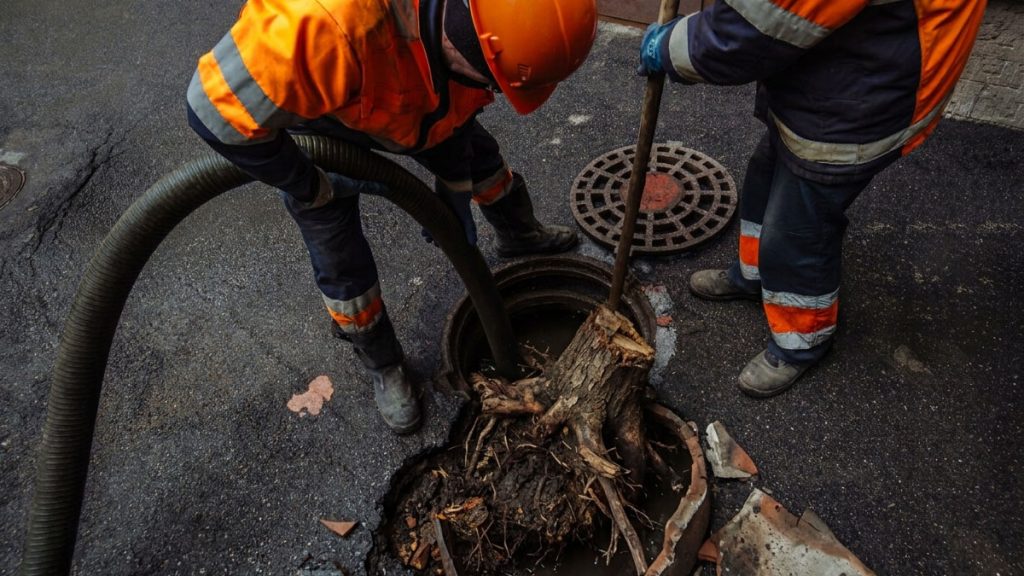
Thin roots can enter through spaces that seem insignificant. Once inside, they continue growing and begin catching toilet paper, grease, wipes, and other waste. The opening inside the pipe gradually gets smaller, making it harder for wastewater to leave the home. The roots did not usually create the original opening. Pipe age, shifting soil, corrosion, or a weakened connection often gives them a place to enter.
Are Older Virginia Homes More Vulnerable?
Older homes may have clay, cast iron, concrete, or other sewer materials that become more vulnerable as they age. Pipe joints can loosen, sections can crack, and corrosion may weaken the inside of the line.
Central Virginia also has mature trees and changing soil conditions. Heavy rain, dry stretches, and temperature changes can cause the ground to shift around underground piping. That movement may place additional stress on an older sewer line.Newer pipes are generally less vulnerable when they have secure connections, but no underground line is completely protected from damage or movement.
What Are The Signs Of Roots In A Sewer Line?
Root growth usually creates the same symptoms as a main sewer blockage. The difference is that the problem often comes back after the line has been cleared.
Watch for these warning signs:
- Several drains begin moving slowly at the same time
- Toilets clog more often without an obvious reason
- A toilet gurgles when a sink, shower, or washing machine drains
- Water rises in a tub or shower after a toilet is flushed
- Sewage odors come from drains or parts of the yard
- Wastewater backs up through a lower drain
- A drain improves after cleaning but slows down again soon
- Grass grows unusually fast over one area of the sewer line
- The yard develops a wet or sunken section without recent rain
- Large trees are growing near an older sewer connection
Several symptoms appearing together are a good reason to stop using water and arrange an inspection.
Can Tree Roots Be Removed Without Replacing The Pipe?
Sometimes they can. If the pipe is still structurally sound, professional drain cleaning may remove the roots and restore flow. The method used depends on the amount of growth, pipe material, and condition of the line.
Mechanical cutting equipment or hydro jetting may be considered after the line has been inspected. These methods can clear root growth and the debris caught around it. They do not seal the opening where the roots entered. Roots may grow back when a crack or loose joint remains. That is why repeated root clogs often lead to a conversation about repairing the damaged section.
Let Us Find Out What Is Happening Inside The Line
If your drains keep clogging or several fixtures are acting up together, we can inspect the sewer line before recommending a solution. The issue may be roots, grease buildup, a damaged connection, or a combination of problems.
Reach out through our contact page if the same clog keeps returning. We can determine whether the line needs cleaning, repair, or further evaluation.
When Does A Root-Damaged Sewer Line Need Repair?
A localized crack or failed joint may be handled with sewer repair when the rest of the line remains in usable condition. The repair should correct the opening that allowed the roots to enter.
A pipe with widespread cracking, severe corrosion, repeated collapses, or several failed sections may need sewer replacement. The camera findings, pipe material, and location of the damage all help determine which option makes sense.
Peter’s Story
Here’s how we helped Peter with his sewer line needs:
“Dylan who came out to inspect the sewer lines could not have been nicer and helpful. Every step of the process with this company from booking the inspection to the actual inspection was seamless. 10/10 recommend.”
Read the review here.
Can You Prevent Tree Roots From Reaching A Sewer Line?
No prevention method removes every risk, but homeowners can lower the chance of major damage. Learn where the sewer line runs before planting new trees, and leave enough space for the mature root system. A local arborist can help you choose planting locations and tree species.
Keep grease, wipes, paper towels, and hygiene products out of the plumbing. The EPA’s septic care guidance recommends flushing only toilet paper and human waste. These habits also help sewer lines because less material is available to catch on small roots.
Call The Otter Guys
Recurring clogs, gurgling toilets, and wastewater coming through lower drains can all point to a sewer line problem. When tree roots are involved, clearing the blockage is only part of the job. The pipe also needs to be checked for the opening that allowed the roots inside.
The Otter Guys can inspect, clean, repair, and replace damaged sewer lines throughout Charlottesville and Central Virginia. Contact us to schedule an evaluation. If sewage is actively backing up into the home, use our emergency plumbing service and stop running water until the line can be checked.