
In 2026, heat pump replacement typically costs $8,200 to $21,000 or more in Central Virginia, including equipment and installation. Single-stage systems generally cost less, while variable-speed models fall toward the higher end. Your final price depends on system size, efficiency, existing equipment, electrical requirements, and the complexity of installation.
Key Takeaways
- Heat pump replacement generally costs $8,200 to $21,000+, with higher-efficiency systems typically costing more.
- Replacing an air handler, modifying ductwork, or upgrading electrical equipment can increase installation costs.
- The right heat pump depends on your home’s heating and cooling needs, existing equipment, and budget.
How Much Does Heat Pump Replacement Cost by System Type?
Heat pump prices vary depending on the type of compressor and how much control the system has over heating and cooling output.
| Heat Pump Type | Estimated Installed Cost | Main Benefit |
| Single-stage | 8,200–11,000 | Lower upfront cost |
| Two-stage | 11,000–15,500 | More consistent temperatures |
| Variable-speed | 15,500–21,000+ | Greater efficiency and comfort control |
These are estimated planning ranges, not guaranteed installation prices. Brand prices advertised online may cover equipment only, leaving out labor and other installation expenses. Geothermal heat pumps have different installation requirements and are priced separately.
What Factors Affect Heat Pump Replacement Costs?
The biggest factors are system size, efficiency, and installation requirements. A larger home may need more heating and cooling capacity, but square footage alone does not determine the right size. Insulation, windows, ductwork, and the home’s layout also matter.
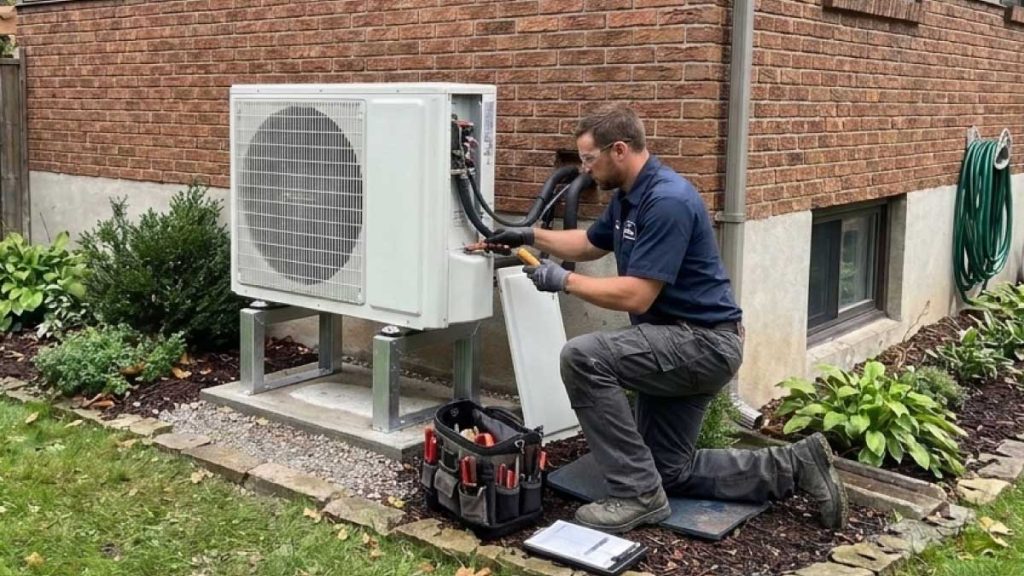
Your existing equipment can make a difference. Some replacements require a compatible indoor air handler, ductwork changes, or electrical panel upgrades. These improvements add to the upfront cost but may be necessary for the new system to operate correctly.
What Refrigerant Do New Heat Pumps Use in 2026?
Most newly manufactured residential heat pumps now use lower global warming potential refrigerants, including R-454B and R-32. Both are classified as A2L refrigerants, meaning they have lower flammability than many other flammable refrigerants and require equipment designed for their use.
The EPA’s refrigerant regulations restrict higher-impact refrigerants in newly manufactured residential systems. However, a May 2026 rule change allows qualifying equipment manufactured or imported before January 1, 2025, to be installed until existing inventory runs out. Your installer can explain which refrigerant your replacement system uses and confirm equipment compatibility.
Do Heat Pumps Work Well During Virginia Winters?
Modern heat pumps can provide reliable heating throughout much of Central Virginia’s winter. Homes in Charlottesville, Richmond, Culpeper, and Waynesboro experience freezing temperatures, but many newer systems are designed to continue providing heat in those conditions.
Cold-weather performance still varies by model. Some systems maintain heating capacity better at lower temperatures, while others rely more heavily on auxiliary heat. Comparing heat pumps and furnaces can help homeowners understand which heating option fits their home.
Should You Repair or Replace Your Heat Pump?
Replacement may make sense when your system is approaching 10 to 15 years old, needs frequent repairs, or struggles to maintain comfortable temperatures. A major compressor failure can also make replacement worth considering, particularly with older equipment.
A newer system with a relatively minor problem may still have years of useful life remaining. Professional heat pump repair can help determine whether fixing the existing equipment makes financial sense.
How Can You Get an Accurate Heat Pump Replacement Estimate?
The best way to determine replacement cost is to have your existing system and home’s heating and cooling needs evaluated. We can review equipment options, system compatibility, electrical requirements, and installation conditions before recommending a replacement.
Our heat pump installation services help homeowners understand their options before committing to new equipment. Contact The Otter Guys to schedule an estimate and discuss which system makes sense for your home and budget.
Are Heat Pump Rebates or Financing Available in 2026?
Utility rebates and financing may help make a replacement more manageable. Available incentives depend on your utility provider, equipment efficiency, and current program requirements.
The federal 25C tax credit ended for equipment placed in service after December 31, 2025, according to ENERGY STAR’s tax guidance. Ask our team to confirm current utility rebates, financing options, and available offers before making a decision.
What Are Common Questions About Heat Pump Replacement?
How Long Does a Heat Pump Last?
Many heat pumps last approximately 10 to 15 years, although some operate longer. Routine heat pump maintenance can help keep the system operating properly.
Is a Variable-Speed Heat Pump Worth It?
Variable-speed systems offer more precise temperature control and can improve humidity management. Whether the additional cost is worthwhile depends on your home and comfort preferences.
Can I Replace Just the Outdoor Unit?
Sometimes, but the indoor and outdoor equipment must be compatible. A technician should check the existing system before recommending a partial replacement.
Ready to Compare Heat Pump Replacement Options?
Heat pump replacement is a major home improvement, and the right choice depends on more than the equipment price. We can help you compare systems, understand installation requirements, and determine which features are worth paying for.
The Otter Guys serves homeowners throughout Central Virginia. Explore our Carrier heat pump guide to see available options, then contact our team to schedule an estimate and confirm current rebates or financing.


