Key Takeaways
- A clog affecting one sink, tub, or toilet is usually located near that fixture, while problems appearing throughout the home may come from the main sewer line.
- Tree roots, grease, wipes, damaged pipes, and years of buildup are common causes of main sewer line blockages.
- Multiple slow drains, sewage odors, gurgling toilets, and wastewater backing up through lower drains should be checked quickly.
A main sewer line carries wastewater away from every drain in your home. Once that line becomes restricted, water has nowhere to go. Recognizing the warning signs early can help you avoid sewage entering the house and causing a much larger cleanup.
One slow bathroom sink is inconvenient. When the toilet gurgles, the shower backs up, and the kitchen drain slows down around the same time, the problem may be farther down the plumbing system.
Is It A Fixture Clog Or A Main Sewer Line Clog?
A fixture clog usually affects one area. A bathroom sink may drain slowly because hair and soap have collected near the trap. A kitchen sink may clog from grease or food buildup. In many cases, the other fixtures continue working normally.
A main sewer line clog tends to affect several fixtures. Since the main line receives wastewater from the entire house, a blockage can cause strange reactions in different rooms. Flushing a toilet may make the bathtub gurgle. Running the washing machine may push water into a floor drain.
The location of the symptoms matters. Problems near the lowest drains in the home often provide the first clue that the main line is struggling.
What Causes A Main Sewer Line To Clog?
Main line clogs can develop slowly or happen after a damaged pipe shifts. Older Charlottesville homes may be more vulnerable because their sewer lines have had decades to collect buildup or develop weak spots.
Common causes include:
- Tree roots entering small cracks or loose pipe joints
- Grease cooling and sticking to the inside of the line
- Wipes, paper towels, and hygiene products that do not break down easily
- Older pipes that have collapsed, cracked, or shifted
- Mineral deposits narrowing the inside of the pipe
- Food waste and debris collecting in existing buildup
- Improper pipe slope that prevents wastewater from flowing correctly
Even products labeled flushable may remain intact long enough to catch on rough pipe surfaces. The EPA’s septic system care guidance recommends flushing only human waste and toilet paper, advice that also helps protect household drain and sewer lines.
What Are The 10 Warning Signs Of A Sewer Line Clog?
A main line blockage usually produces more than one symptom. Pay attention to where the problem appears and what happens when you use another fixture.
- Several drains slow down together
- Toilets gurgle after sinks, tubs, or appliances drain
- Water rises in the bathtub when you flush a toilet
- Wastewater appears in a shower or floor drain
- Sewage odors come from multiple drains
- Toilets repeatedly clog without an obvious cause
- Water backs up when the washing machine drains
- Drain problems return soon after plunging
- A wet or unusually green area develops over the sewer line outside
- The lowest drain in the home backs up first
A single symptom may have a simple explanation. Several of these happening together make a main sewer line problem more likely.
Can I Clear A Main Sewer Clog Myself?
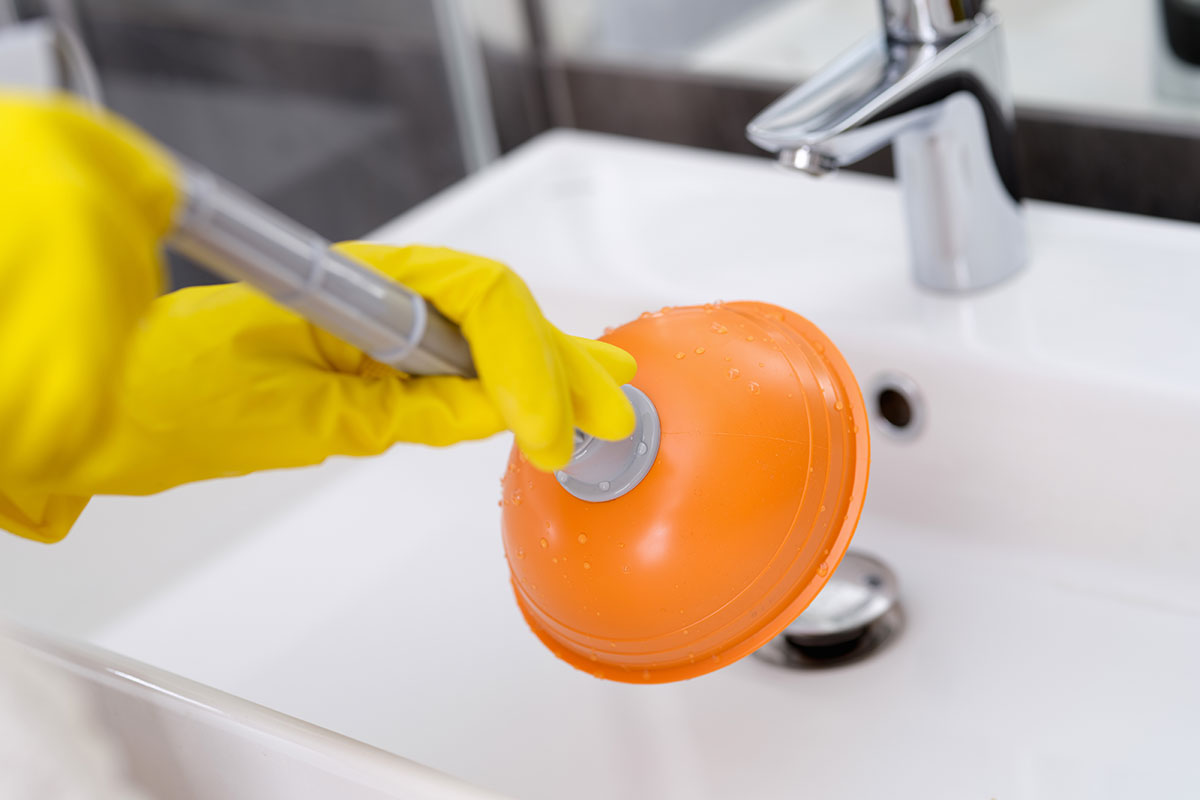
A plunger or small hand snake may help when a clog is close to one fixture. Those tools rarely reach a blockage in the main sewer line. Chemical drain cleaners are also a poor choice for recurring or whole house drainage problems. They may sit behind the blockage, damage certain piping materials, and create a hazard for anyone working on the line afterward.
Stop using water if sewage is backing up. Running the dishwasher, taking a shower, or flushing another toilet sends more wastewater toward the clogged line. That can push the backup farther into the home. Professional drain cleaning allows the blockage to be addressed with equipment suited to the location and condition of the line.
When Should I Call A Plumber?
Call a plumber when multiple fixtures are affected, sewage enters the home, or the problem returns after basic clearing. Recurring clogs can mean roots, damaged piping, or heavy buildup is still restricting the line. A professional can determine whether the problem is near a fixture, in a branch drain, or inside the main sewer line. That distinction matters because each issue requires a different solution.
If several drains are acting up or wastewater is beginning to back up, reach out through our contact page. We can help determine how quickly the line needs attention and what the next step should be.
How We Helped Peter
Here’s how we helped Peter:
“Dylan who came out to inspect the sewer lines could not have been nicer and helpful. Every step of the process with this company from booking the inspection to the actual inspection was seamless. 10/10 recommend.”
Read the full review here.
How Can I Reduce The Risk Of Another Clog?
Good habits cannot prevent every sewer line problem, especially when tree roots or aging pipes are involved. They can reduce the amount of material collecting inside the system.
Recurring problems deserve a closer look. Repeatedly clearing the same drain may provide temporary relief while the underlying restriction continues to grow.
Call The Otter Guys
Main sewer line clogs can affect the entire home and become messy quickly. If toilets are gurgling, multiple drains are slow, or wastewater is coming up through a tub or floor drain, The Otter Guys can locate the problem and explain the available repair options.
Schedule drain cleaning for recurring or widespread drainage problems. If sewage is actively backing up or water is spreading through the home, use our emergency plumbing service or contact us right away.